My writing is usually done at my desk, or on my back deck when weather permits…..
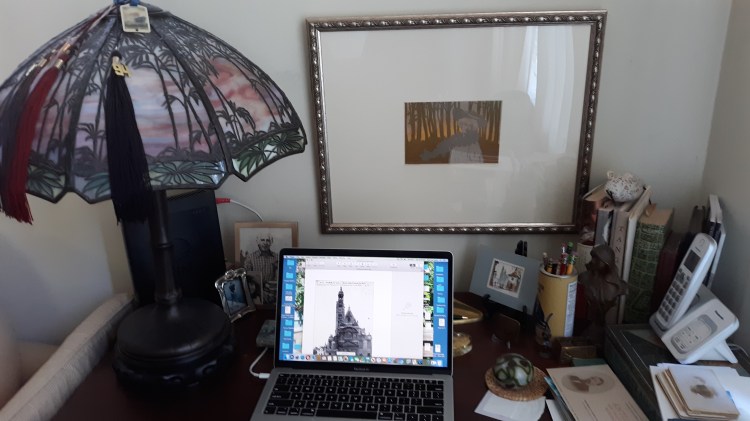
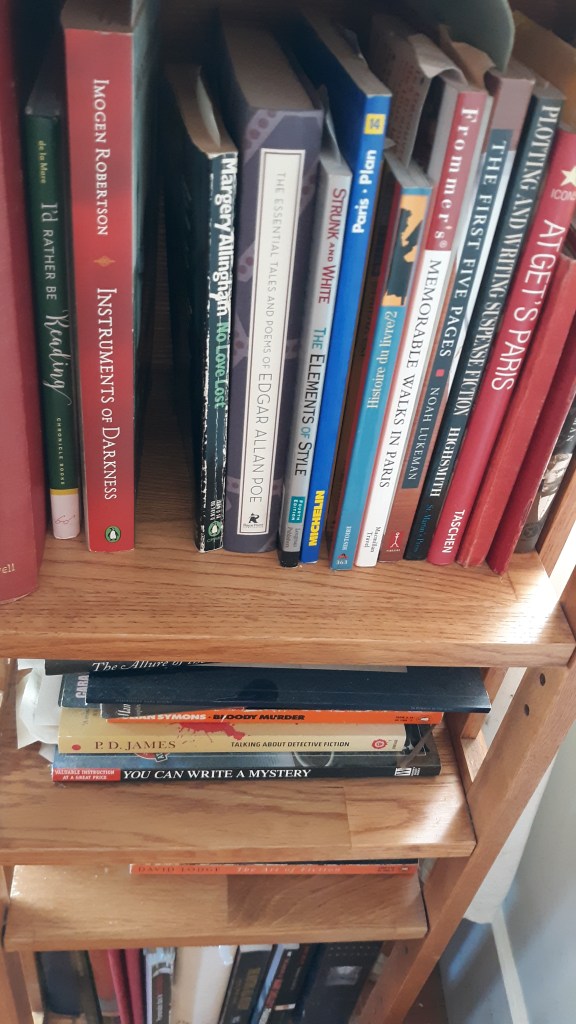
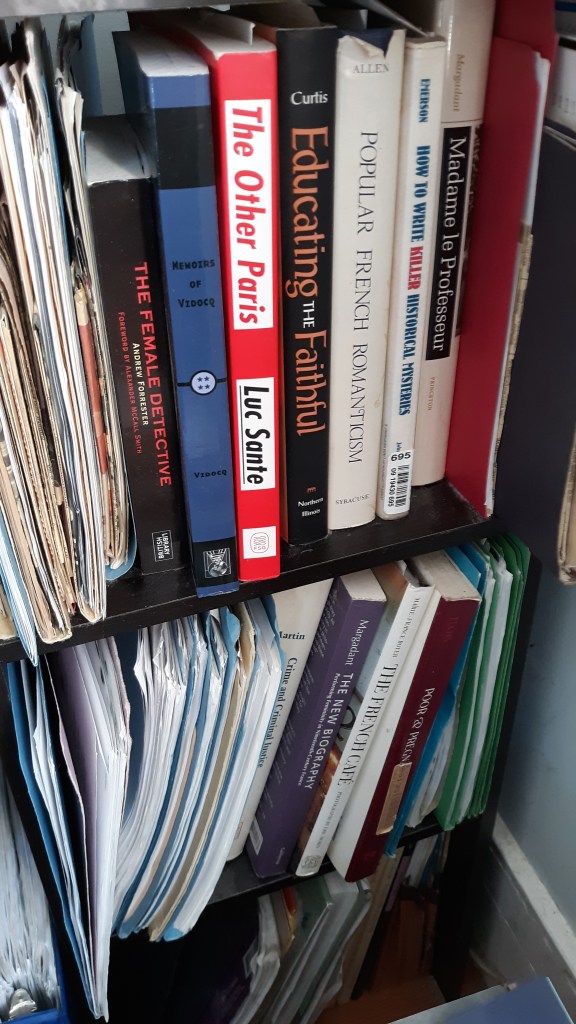
My inspiration comes from reading about the era, its culture society and people. This can come from contemporary texts, but also from books of the era – Baedecker guidebooks to Paris, the writings of Émile Zola, the Memoirs of Vidocq: master of crime (who rose from a criminal to be the Chief of the Paris Sûreté de police) and the Plan de Paris Illustré (published by Garnier Frères throughout the late 19th century).
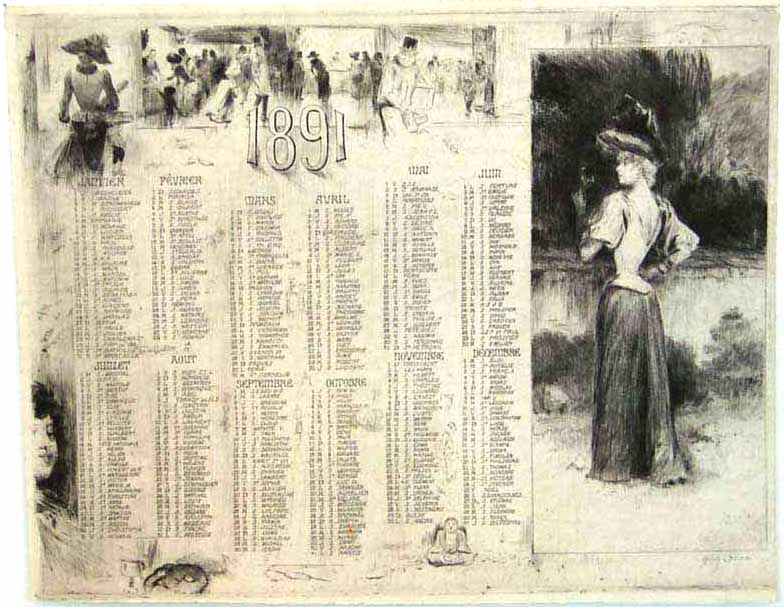
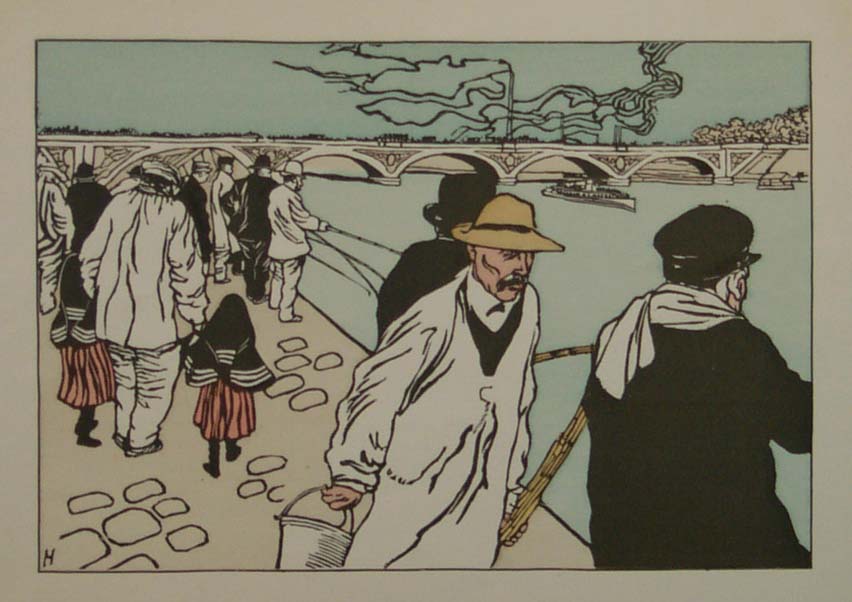
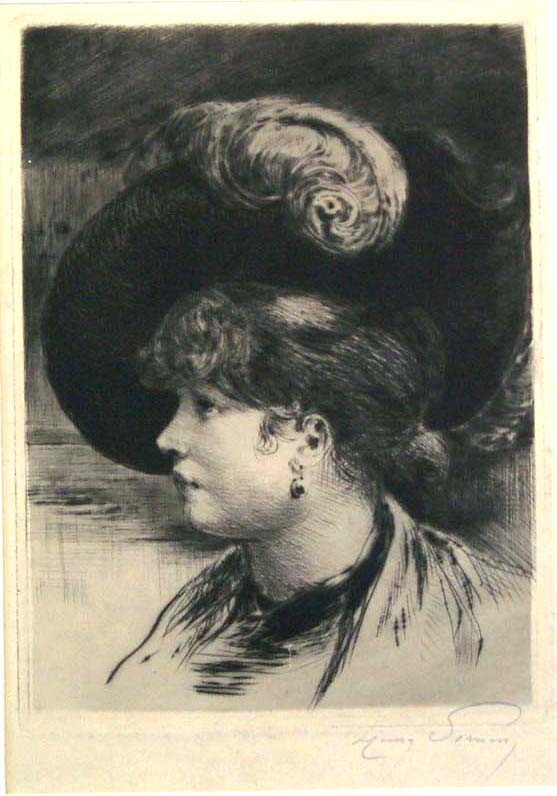
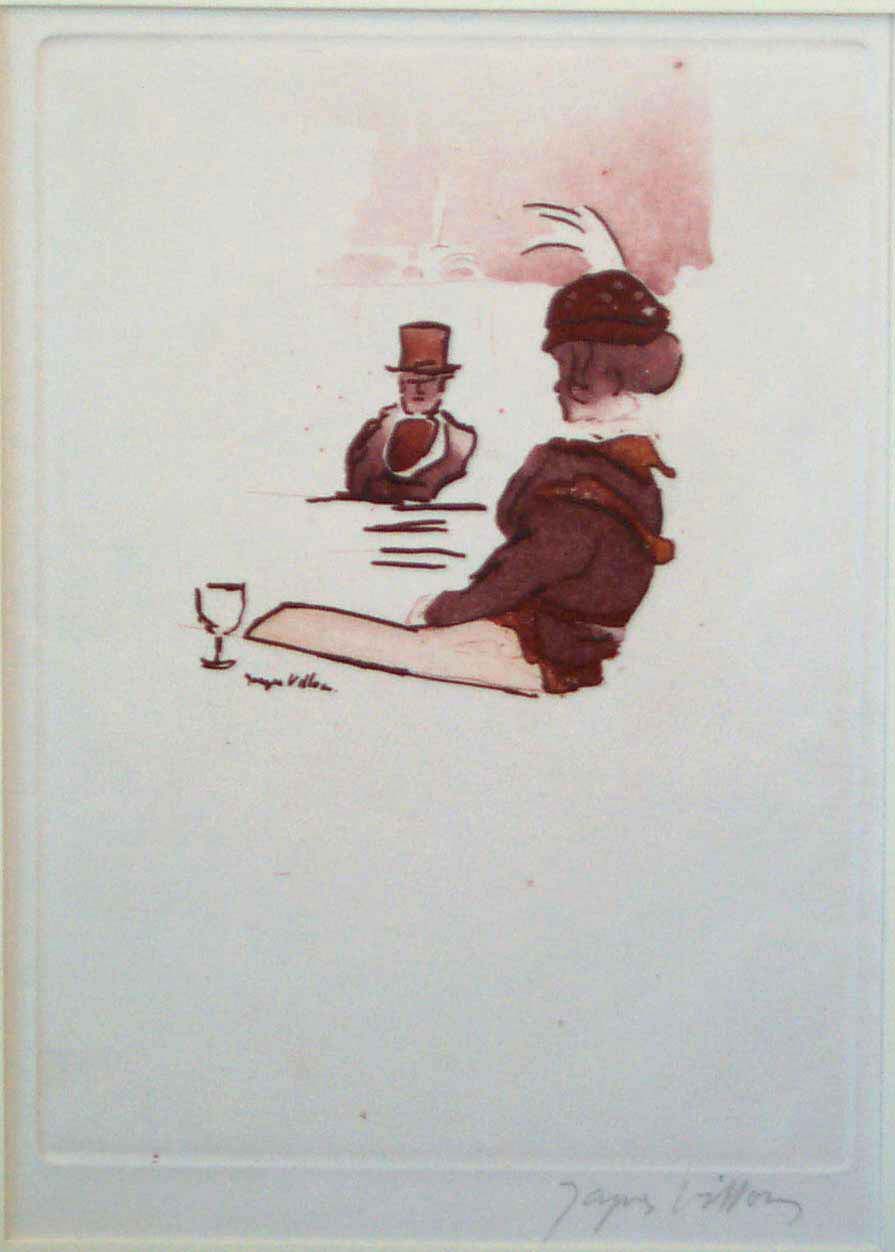
Another invaluable visual source from the era is its’ art. Paintings, posters, prints – even ephemeral printed materials – can give insight into the look and feel of late 19th century Paris, but can also provide concrete information and history. The cafés, the parks, the clothing – all these can be found by looking at the many types of art and printed materials produced in Paris at the end of the 19th century – more commonly known as the Belle Époque. Yet, it was not necessarily “belle” for everyone – as my book hopes to show.

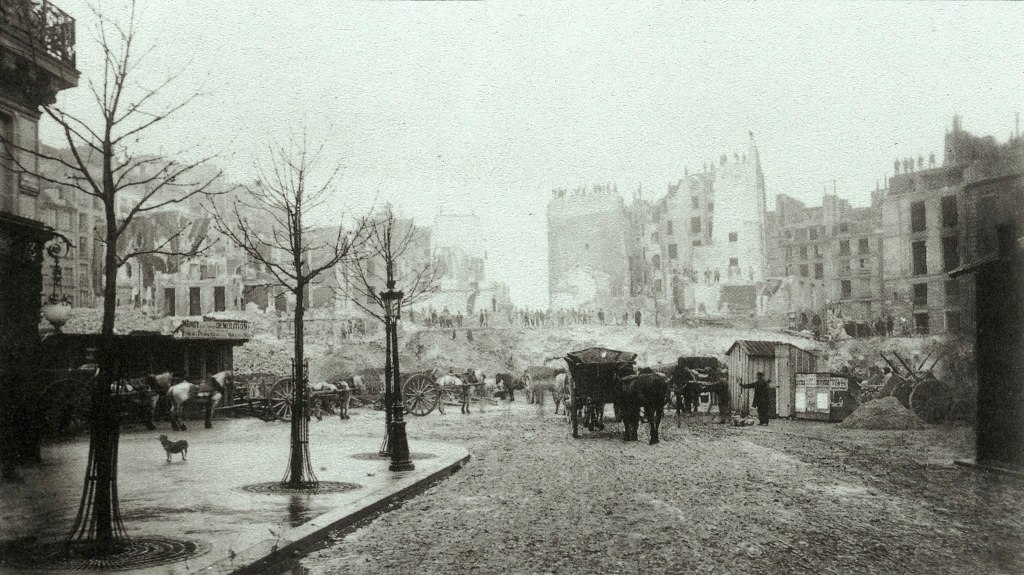
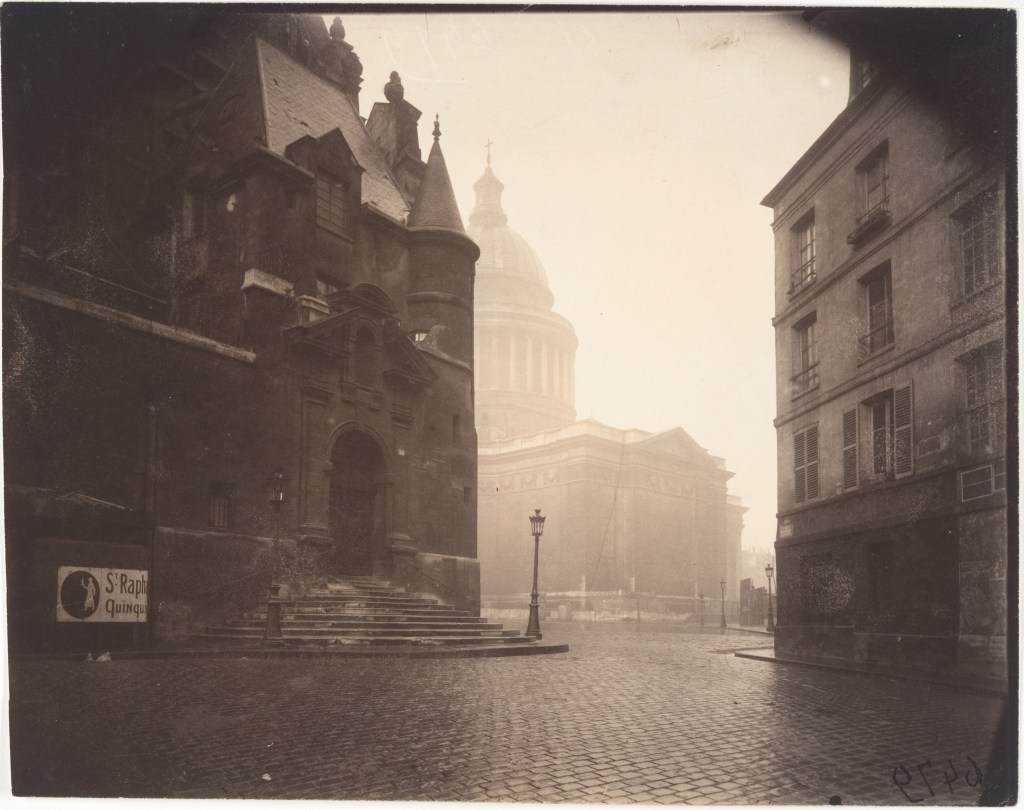
And, finally, photography of the era has proven to be a valuable resource for life in Paris during this era. Even though it was a relatively new medium in the late 19th century, Paris was seminal to early photography and was the home to many important photographers of the time. Two of these photographers who preserved images of everyday life in Paris were Charles Marville and Eugène Atget.
 Patricia Keats